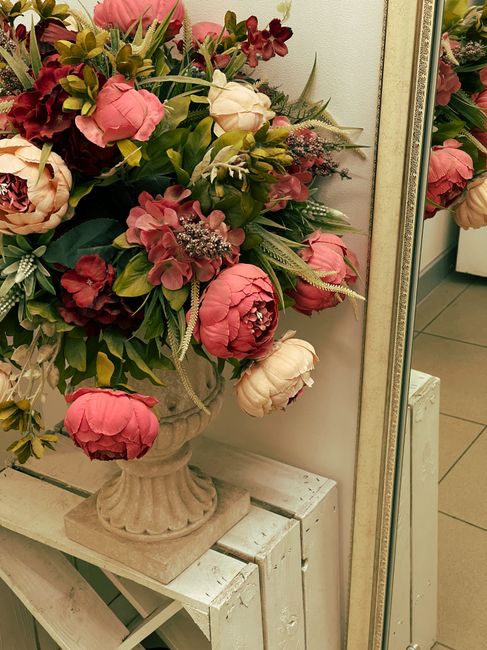
Corporate flower contracts for Perivale trading estate businesses
Posted on 18/10/2026
If you manage an office, showroom, warehouse reception, shared workspace, or client-facing unit on the Perivale trading estate, flowers probably are not the first thing on your mind. Fair enough. But corporate flower contracts for Perivale trading estate businesses can quietly do a lot of heavy lifting: they soften industrial surroundings, make a reception feel more welcoming, and help a business look thoughtful without shouting about it.
In a place like Perivale, where trading estates are built for practical work first, a well-planned floral contract gives you a little polish in the right places. It is not about fuss. It is about consistency, reliability, and presentation that matches the standard of your team. This guide explains what corporate flower contracts are, how they work, who they suit, and how to choose a setup that actually fits your business rather than becoming another admin headache.
You'll also find a step-by-step approach, a checklist, common mistakes, and a realistic comparison of contract options. No fluff. Just the bits that matter when you're trying to make a sensible decision for a real workplace.
Table of Contents
- Why corporate flower contracts matter for Perivale trading estate businesses
- How a corporate flower contract works
- Key benefits and practical advantages
- Who this is for and when it makes sense
- Step-by-step guidance
- Expert tips for better results
- Common mistakes to avoid
- Tools, resources and recommendations
- Law, compliance, standards, or best practice
- Options, methods, or comparison table
- Case study or real-world example
- Practical checklist
- Conclusion
- Frequently asked questions
Why Corporate flower contracts for Perivale trading estate businesses Matters
Trading estates are often judged in seconds. A visitor arrives, passes loading bays, parked vans, shutter doors, forklifts, and all the practical signs of a busy site. Then they step inside and see the reception desk, meeting room, or communal entrance. That first indoor impression matters more than people sometimes admit.
Corporate flowers help bridge that gap. They make a space feel deliberate. Clean. Looked after. And if you work with clients, suppliers, investors, job candidates, or visiting partners, those small cues add up fast. No one is saying a vase of flowers will close a deal on its own. Let's not get carried away. But a polished environment does support confidence, and confidence matters in business.
For Perivale trading estate businesses, the local context is important too. Many sites are functional rather than decorative, which means small visual touches can stand out in a very good way. A consistent flower arrangement in reception, a delivery for a conference room, or a seasonal display in the entrance can make the whole premises feel more professional without needing a major refit.
There is also a staff experience angle. People notice when a workplace feels cared for. Fresh flowers can soften the mood of a hard-working office, a procurement hub, a design studio, or a customer service unit. On a Monday morning, that little burst of colour can be oddly grounding. A small thing, yes. But small things are often what people remember.
Expert summary: A good corporate flower contract is not just decorative. It is a service agreement that helps your business stay presentable, consistent, and ready for visitors without adding avoidable admin.
How Corporate flower contracts for Perivale trading estate businesses Works
At its simplest, a corporate flower contract is a regular service agreement with a florist or floral supplier. You agree the style, frequency, budget, delivery method, and any site-specific details, and the supplier handles the rest. In practice, the best contracts are built around your actual use of space, not a one-size-fits-all package.
Most contracts start with a short consultation. That may happen by phone, email, or in person if the florist can visit the site. They will usually ask about your reception size, brand colours, footfall, visitor profile, and whether the arrangements are for desks, meeting rooms, reception counters, or client-facing areas. If the premises are busy and practical, the supplier may suggest sturdy designs, longer-lasting flowers, and vessels that are less likely to get knocked over. Sensible, really.
Once the brief is clear, the florist can recommend delivery frequency. Some businesses need weekly displays. Others are fine with fortnightly or for specific occasions only, such as a head office visit, internal event, contract renewal meeting, or staff celebration. Seasonal changes are common too. A winter scheme may feel very different from a summer display, and you do not need to overcomplicate it.
In many corporate setups, the contract includes:
- an agreed delivery schedule
- seasonal or brand-aligned floral styles
- replacement or refresh guidance
- billing terms and payment method
- instructions for access, parking, and reception drop-off
- notes on vase return or recycling
If you prefer flexibility, some providers offer a subscription-style arrangement instead of a fixed contract. That can work well for smaller sites, or businesses testing the water before committing to something longer term. A useful starting point can be a corporate account structure such as corporate accounts, especially where repeat ordering and invoicing matter.
There is a practical reason this model works: it removes repeat decision-making. You do not have to remember to reorder, chase late deliveries, or wonder what to send for each event. The contract creates a rhythm. Once the rhythm is right, the whole thing becomes quietly effortless. And that is often what busy businesses need most.
Key Benefits and Practical Advantages
The obvious benefit is presentation, but the real value goes beyond that. A corporate flower contract can support brand perception, staff morale, visitor experience, and operational simplicity all at once. That is a decent return from something most people think of as purely decorative.
1. A more professional first impression
In an estate setting, many businesses share similar external surroundings. Once people step inside, flowers help differentiate your premises. They suggest attention to detail, especially when paired with a tidy reception, clear signage, and a calm front-of-house area.
2. Less admin for your team
Without a contract, flower ordering becomes one more task for office managers, PAs, reception staff, or marketing teams. With a contract, the supplier manages the repeat supply. That means fewer last-minute scrambles and fewer awkward moments when someone remembers a client visit at 4:30pm. We have all seen that scramble.
3. Consistent quality and style
Regular contracts help keep the look aligned with your space. If your reception uses whites and greens, or brighter seasonal tones, the florist can maintain that identity. Consistency matters more than people think. Random arrangements can look odd. The right scheme feels intentional.
4. Flexible for different business needs
Flower contracts are not only for large corporate headquarters. They suit offices, trade counters, logistics companies with client areas, light industrial businesses with showrooms, and professional services firms in mixed-use estates. A smaller arrangement can still make a big difference.
5. Better event and occasion support
Need flowers for a board meeting, product launch, staff recognition, retirement, or seasonal display? A contract makes it easier to add on those extras. If your business also sends thank-you flowers or internal occasion arrangements, a range like corporate gifting can sit neatly alongside the contract.
Comparison of contract approaches
| Approach | Best for | Pros | Watch-outs |
|---|---|---|---|
| Ad hoc ordering | Very occasional needs | Simple, no commitment | Inconsistent style, more admin, easy to forget |
| Subscription-style floral service | Smaller businesses or trial periods | Flexible, repeat deliveries, predictable rhythm | May still need adjustments if footfall changes |
| Full corporate contract | Regular client-facing premises | Consistent quality, tailored service, easier invoicing | Needs a clear brief and review process |
To be fair, the best option is not always the biggest one. It is the one that matches your pace of business, your space, and your budget.
Who This Is For and When It Makes Sense
Corporate flower contracts make sense for any Perivale trading estate business that welcomes people onsite and wants the space to feel more polished. That includes a wider range of businesses than you might expect.
- Front-of-house offices that receive clients, suppliers, or interview candidates
- Showrooms where presentation supports sales
- Trade and distribution businesses with a reception or meeting area
- Property, construction, or engineering firms meeting contractors and partners
- Medical, wellness, or professional service spaces operating from business units
- Shared offices or managed workspaces needing a tidy, welcoming feel
It also makes sense when you need to mark recurring occasions. Think contract wins, board meetings, seasonal celebrations, staff anniversaries, or client appreciation. A simple arrangement can say, "We thought about this." And that counts.
On the other hand, if your site is purely back-of-house and nobody sees reception or meeting rooms, you may not need a regular contract. In that case, occasional delivery may be enough. The important thing is not to oversell the idea to yourself. Flowers should earn their place.
One useful rule of thumb: if visitors would notice the interior within 10 seconds of walking in, a flower contract is worth considering. If the answer is no, a lighter-touch solution might be better. Practical. Honest. No drama.
Step-by-Step Guidance
If you are thinking about setting up a corporate flower contract, take it one step at a time. The process is straightforward, but the detail matters.
Step 1: Define the purpose
Start by asking what the flowers need to do. Welcome visitors? Support brand presentation? Improve a reception area? Mark special dates? The clearer the purpose, the easier it is to choose the right arrangement style and service frequency.
Step 2: Map the spaces
Walk the site and look at the places that matter most: reception desk, lobby, meeting rooms, communal tables, private offices, or waiting areas. Check where flowers will actually be seen. That one-minute walk can save a lot of guesswork later.
Step 3: Set a realistic budget
Budget does not just mean the flowers themselves. It can also include delivery, vessel hire or return, replacements, and any seasonal uplift. A sensible budget keeps expectations realistic and avoids awkward back-and-forth after the first delivery.
Step 4: Choose the style
Keep the visual language aligned with your business. A legal or finance office may prefer something clean and restrained. A creative studio might want brighter, bolder displays. Industrial and logistics sites often suit durable arrangements in neutral or fresh tones that still feel uplifting.
Step 5: Agree frequency and logistics
Decide whether you need weekly, fortnightly, or occasion-based deliveries. Then handle the practicalities: access instructions, parking, reception contact, delivery window, and who signs off on substitutions if particular flowers are unavailable.
Step 6: Test and refine
The first few deliveries are really a trial, even if everyone calls it a contract. Check whether the size is right, whether the colours work in the space, and whether the flowers hold up well between refreshes. A good florist will welcome feedback. If they do not, that is a small warning light.
Step 7: Review regularly
Every few months, review whether the arrangement still fits your business. Maybe your visitor pattern has changed. Maybe the reception furniture has changed. Maybe the arrangement looks perfect in winter but too heavy in summer. A tiny adjustment can make it feel right again.
If you need a broader supplier view while you are planning, you can also browse the main florist in Perivale page and compare it with your contract needs. Sometimes seeing the wider offer helps clarify the right setup. Simple, really.
Expert Tips for Better Results
After you have arranged enough workplace flowers, you start to notice what makes the difference. It is usually not the biggest bouquet. It is the one that fits the space, lasts well, and arrives without fuss.
Choose impact over clutter
In a trading estate setting, reception areas can be compact or busy. One well-placed arrangement often works better than several small ones. Visual calm reads as more premium than visual noise.
Pick sturdy containers
Glass vases look elegant, but some workplaces need something more stable. Wider, lower vessels are often better for busy desks or shared counters. If people are constantly moving around with bags, documents, or coffee cups, stability matters more than style points.
Favour longer-lasting stems
Flowers such as chrysanthemums, carnations, alstroemeria, and certain mixed arrangements can offer stronger longevity in commercial settings. That does not mean you must avoid roses or lilies. It just means the florist should balance beauty with practical lifespan.
Use scent carefully
Strong fragrance can be lovely in a home and less welcome in an office. If staff share a small meeting room, go easy on heavily scented blooms. It is one of those things people only mention after the fact, which is a bit annoying. Better to plan for it.
Think about sightlines
Where will people actually look? A floral display should be visible from a seating area or entrance line, not hidden behind a monitor or leaflets. A tiny shift of 30 centimetres can make a surprisingly big difference.
Match flowers to the season
Seasonal flowers often feel more natural and can improve value. They also keep the look fresh through the year. A winter arrangement and a summer arrangement do not need to be identical; in fact, they probably should not be.
Keep communication simple
The best contracts have one clear contact person at the business and one reliable florist contact. That avoids crossed wires when delivery access changes or a meeting room is temporarily out of use.
Common Mistakes to Avoid
Most problems with corporate flower contracts are avoidable. Usually they come down to poor planning, unclear expectations, or choosing a service that looks good on paper but does not suit the site.
- Buying on appearance alone. Pretty is good. Suitable is better.
- Ignoring the space. Oversized arrangements can overwhelm a small reception and feel impractical.
- Forgetting site logistics. Access, delivery timing, parking, and reception cover all matter.
- Choosing flowers that wilt quickly. In a warm office or busy entrance, durability matters.
- Not reviewing the contract. Needs change, and static agreements can drift out of usefulness.
- Overlooking staff preferences. A display that looks elegant but triggers allergies or fragrance complaints is not a win.
- Assuming one style fits every season. Sometimes it does not. And that is fine.
The quiet mistake people make most often is trying to make the flowers do too much. They are not a brand strategy, a morale programme, and an interior design solution all at once. They are a service detail. A lovely one, yes. But still a detail. Keep that perspective and things stay manageable.
Tools, Resources and Recommendations
To make a flower contract work well, you do not need a complicated toolkit. You need a few simple processes and the right conversations up front.
- A site brief: room sizes, opening hours, delivery access, and any security steps
- Brand guidance: preferred colours, tone, and any presentation rules
- A budget range: so the florist can design within realistic boundaries
- Delivery schedule: weekly, fortnightly, monthly, or event-based
- Named contact: someone who can approve changes quickly
- Photo references: useful for showing what you like, and what you do not
If you are also thinking about sending flowers as part of client care or staff recognition, it can help to look at products that support repeat use. For instance, a curated selection such as florist choice can be a sensible fit when you want flexibility rather than a fixed design. Likewise, more premium presentation can pair well with luxury flowers for senior meetings or important visitors.
For businesses that value longer-term arrangements, subscription options may also be relevant. A monthly or quarterly rhythm can work better than ad hoc ordering, especially where the same space needs regular refreshes. If you are comparing different ways to receive flowers, the flower delivery in Perivale service can help you think through timing, reliability, and handling.
And if your workplace needs something more budget-conscious, that is perfectly normal too. Corporate presentation does not have to mean extravagant. It just needs to be tidy, intentional, and dependable.
Law, Compliance, Standards, or Best Practice
Corporate flower contracts are not heavily regulated in the way some other business services are, but there are still good practices to follow. The main concerns are workplace safety, access, cleanliness, privacy, and sensitivity to staff or visitors.
If flowers are placed in public or shared areas, keep walkways clear. A reception display should never create a trip hazard, block a fire route, or interfere with visibility at desks or entrances. That sounds obvious, but in real offices, obvious things sometimes get nudged aside by convenience.
If your workplace has staff with fragrance sensitivities or allergy concerns, speak up early. A reputable florist will usually adapt the flower selection and avoid overly scented varieties where needed. This is part of good duty of care, and honestly, it is just sensible workplace management.
If you handle supplier contracts, make sure terms are clear. That means delivery windows, invoicing, replacement arrangements, cancellation terms, and what happens if a scheduled delivery lands on a closure day. For broader business transparency and procurement awareness, it can also help to review standard company information pages such as privacy policy, returns and refund, and payment if you are dealing with regular purchases or account billing.
Best practice also includes sustainability. Many businesses now prefer seasonal flowers, recyclable packaging where possible, and fewer wasteful substitutions. If that matters to your team, a florist's sustainability approach is worth checking early. No need to make a grand speech about it. Just ask the question plainly.
Finally, if you are placing flowers in client-facing areas, make sure arrangements are kept fresh and clean. Wilted displays, dusty leaves, or half-empty vases send the wrong message. A neat arrangement says care. A tired one says the opposite. Brutal, but true.
Options, Methods, or Comparison Table
There are a few workable ways to manage flowers for Perivale trading estate businesses. The right one depends on how often people see your space, how much attention you want to give it, and how predictable your needs are.
| Method | What it looks like | Best suited to | Strength | Potential drawback |
|---|---|---|---|---|
| Weekly corporate contract | Fresh delivery and replacement on a fixed cycle | Busy reception areas and client-facing offices | Always looks current | Needs a little planning |
| Occasion-led ordering | Flowers only for visits, events, or milestones | Lower-traffic premises | Budget-friendly and flexible | Not consistent |
| Seasonal refresh plan | Changes a few times per year | Businesses wanting variety without weekly service | Balanced cost and presentation | Can feel sparse between refreshes |
| Subscription arrangement | Regular deliveries with a lighter administrative load | Small to medium teams | Easy to manage | May need fine-tuning after the first few cycles |
If you are still deciding, a subscription or seasonal refresh often gives the best balance. It lets you test what works without locking yourself into a style that might not suit the premises. There is no prize for overcommitting on day one.
Case Study or Real-World Example
Imagine a Perivale trading estate business with a small but important reception area. The team works in procurement and logistics. Most of the day is practical and a bit hectic: parcels arriving, calls coming in, drivers checking in, staff moving between bays and desks. The front desk, though, is where suppliers and visiting clients form their first impression.
At first, the business ordered flowers only for occasional meetings. They looked fine, but the space felt inconsistent. One week it was bare, the next it had an oversized arrangement that crowded the counter. So they switched to a simple corporate flower contract with a set delivery day and a clear colour palette: white, green, and soft neutral tones.
The result was not dramatic in a flashy way. It was better than that. The reception started feeling calm and organised. Visitors commented that the space felt "looked after", which is exactly the kind of feedback businesses like this want, even if nobody says it out loud in a boardroom voice. Staff also noticed the flowers acted as a small reset point during busy days. A bit of colour. A bit of breathing space.
The important lesson? The contract worked because it matched the site. It was not too large, not too scented, not too high-maintenance. Just right for a busy workplace that still wanted a polished face to the world.
Practical Checklist
Use this checklist before you agree a flower contract for your Perivale trading estate business:
- Have you defined the purpose of the flowers?
- Do you know which spaces need arrangements?
- Have you measured or visually assessed the area?
- Is your budget realistic for regular delivery and refresh?
- Have you chosen a style that suits your brand and building?
- Have you confirmed access, parking, and delivery instructions?
- Have you nominated one contact person for approvals?
- Have you discussed fragrance and allergy considerations?
- Have you agreed what happens if flowers are substituted?
- Have you checked invoice and payment terms?
- Will the arrangement still work during busy or seasonal periods?
- Have you planned a review point after the first few deliveries?
If you can tick most of those off, you're in a strong position. If not, that is fine too. Better to sort it now than discover the issues on the morning of a client visit.
Conclusion
Corporate flower contracts for Perivale trading estate businesses are a practical way to improve presentation, support staff experience, and reduce the friction of repeat ordering. In a setting where function comes first, flowers add a little warmth and a lot of polish. Not loud. Not showy. Just right.
The smartest approach is to think in terms of fit: fit for the building, fit for the budget, fit for the people who work there, and fit for the impression you want to create. When those pieces line up, the flowers stop being an extra chore and become part of how the business presents itself. That's the sweet spot.
Get a free quote today and see how much you can save.
If you are ready to make your workspace feel more welcoming without adding more admin, the next sensible step is to compare a simple corporate account with a tailored delivery plan. A little structure now can save a surprising amount of time later, and the reception will thank you for it.
Frequently Asked Questions
What is a corporate flower contract?
A corporate flower contract is a regular agreement with a florist to provide and refresh flowers for a business space. It usually covers delivery frequency, style preferences, billing, and any site instructions.
Are corporate flower contracts only for big offices?
No. They can work for small offices, trade counters, reception areas, shared workspaces, and light industrial premises with client-facing areas. If people see your space, flowers can help.
How often should flowers be changed in a business setting?
It depends on the environment and arrangement style. Weekly is common for high-traffic or important reception spaces, while fortnightly or seasonal refreshes may suit quieter sites.
What flowers work best for trading estate businesses?
Longer-lasting and sturdy flowers are often a smart choice, especially in busy workplaces. Many businesses prefer mixed arrangements with good structure rather than delicate stems that fade quickly.
Can we choose colours that match our brand?
Yes, and you probably should. Matching flowers to your brand palette helps the display feel intentional rather than random. Soft neutrals, whites, and greens are often popular, but it depends on your business.
Do corporate flower contracts include delivery and setup?
They usually do, though the exact service varies. Some contracts include placement in reception, while others involve simple delivery with instructions for your team to arrange the flowers.
What if our office is sometimes closed during delivery hours?
Tell the florist early. Good delivery planning is part of a reliable contract, and the timing can usually be adjusted to fit your site access and opening pattern.
Are flower contracts suitable for meeting rooms?
Yes. Meeting rooms often benefit from simple, low-scent arrangements that make the space feel polished without distracting from the room's purpose.
How do we keep costs under control?
Set a clear budget, choose practical arrangements, and agree delivery frequency that matches your actual needs. Seasonal flowers and simpler designs can help keep things sensible.
What should we ask a florist before signing a contract?
Ask about delivery windows, replacement policy, style options, invoice terms, sustainability, and how changes are handled if your needs shift. Clear questions upfront save hassle later.
Can corporate flower contracts be cancelled or changed?
Usually yes, but the terms depend on the supplier agreement. It is worth checking notice periods and any rules for temporary pauses, especially during holidays or site closures.
Why are flowers useful in an industrial or trading estate environment?
Because the surroundings are often practical and hard-working by nature, a floral display adds contrast. It softens the look of the space and helps create a more welcoming first impression.
Is it better to order one-off arrangements or use a contract?
If you need flowers regularly, a contract is usually easier and more consistent. If you only need them for occasional events, one-off ordering may be enough. The right answer depends on how often the space is seen by visitors.